Edo launches free hydrocele surgery programme statewide
Key Takeaways
- Edo State has begun free hydrocele surgeries and lymphedema treatment.
- The programme covers Edo South, Edo Central and Edo North.
- Six surgeries were successfully completed during the first phase.
- Officials say the initiative will ease healthcare costs for vulnerable residents.
- The programme forms part of efforts to combat neglected tropical diseases.
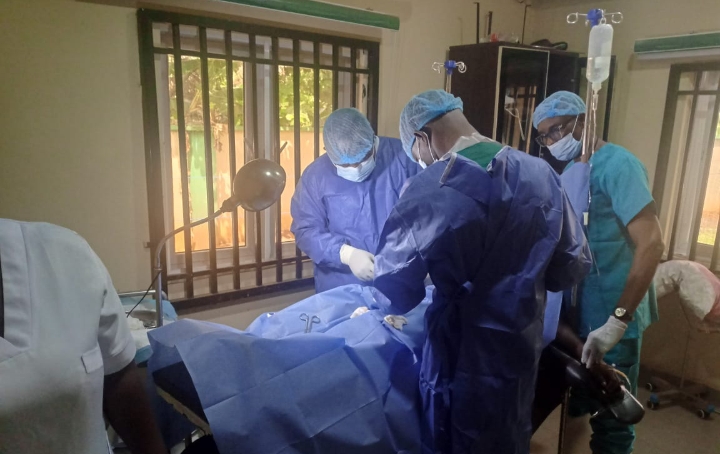
Residents living with hydrocele and lymphedema in Edo State are beginning to receive free treatment under a new healthcare initiative introduced by the state government in partnership with ENDFUND.
The intervention, coordinated through the Edo State Primary Healthcare Development Agency, is being rolled out across the three senatorial districts to improve access to specialist care for vulnerable residents who may struggle to afford treatment.
Health officials said the programme includes free hydrocelectomy surgeries and lymphedema management services, targeting conditions often linked to neglected tropical diseases.
Free hydrocele surgery programme targets vulnerable residents
Speaking during the commencement of the exercise in Benin City, the Executive Secretary of the agency, Dr Coulson Oahimire Osoikhia, said the initiative reflects the administration’s wider healthcare agenda under Governor Monday Okpebholo.
According to him, many patients affected by hydrocele face not only physical discomfort but also financial and emotional hardship due to the cost of surgery and long-term care.
Officials stated that all procedures and related medical services under the programme are being provided without charge.
Hydrocele is a condition involving swelling in the scrotum caused by fluid accumulation, while lymphedema refers to severe swelling that commonly affects the limbs. Both conditions are associated with lymphatic filariasis, one of the world’s neglected tropical diseases, according to public health experts.
Edo expands neglected tropical disease response
The Director of Disease Control and Immunization, Dr Eseigbe Efeomon, described hydrocele as one of the diseases the state government aims to eliminate through early treatment and public health interventions.
He praised the collaboration between the state government, ENDFUND and the Ministry of Health, noting that several beneficiaries might otherwise have been unable to pay for surgery.
Public health authorities say untreated hydrocele and lymphedema can limit mobility, reduce productivity and contribute to social stigma in affected communities.
Programme spreads across Edo’s three districts
The first phase of the free hydrocele surgery programme took place between 5 and 6 May at Oluku Primary Healthcare Centre in Edo South Senatorial District.
Medical officials confirmed that six successful hydrocele surgeries were performed on adult men and male children during the opening phase.
The operations were led by Dr Osoikhia alongside Dr Daniel Mitohta Moses, anaesthesiologist Dr Monday Ugiagbe and other healthcare personnel.
State NTD Coordinator Mrs Happy Poko said the next phase would hold at Obiyon Primary Healthcare Centre in Esan North East Local Government Area between 8 and 9 May for residents in Edo Central.
She added that the programme would later move to the Referral Medical Centre in Afuze, Owan East Local Government Area, from 11 to 12 May to cover Edo North Senatorial District.
Officials said the phased approach is intended to ensure residents across the state can access treatment closer to their communities.
Beneficiaries welcome intervention
Some beneficiaries expressed gratitude to the state government and medical teams overseeing the programme, describing the intervention as timely relief amid rising healthcare costs.
Healthcare workers supervising the exercise included Dr Christian Aboh, Medical Officer of Health for Ovia North East, Mrs Agho Nanasha of Oluku PHC and other state health officials.
The initiative highlights growing efforts by the Edo State Government to strengthen primary healthcare delivery and tackle neglected tropical diseases through community-based interventions.
Health experts say sustained awareness campaigns, early diagnosis and continued medical outreach will be critical if the state hopes to reduce cases of hydrocele and lymphedema in the long term.